
Intake System HYUNDAI I20
#WSK
Select year

2018.06
(88)
2018.06
(74)

2020.08
(88)
2020.08
(74)

2021.09
(88)
2021.09
(74)

2021.09
(74)

(66)
(74)
(88)
(74)

2015.12
(55)
2018.06
(55)
2021.09
(55)
2021.09
(55)
2014.08
(56)
2014.08
(59)
2014.08
(62)
2021.06
(61)
(58)
(62)
(58)
2015.12
(63)
2012.12
(57)
2014.08
(60)
2020.08
(62)
2020.03
(55)
2020.09
(55)
2019.06
(61)
2021.09
(62)
2021.09
(55)
2021.09
(62)
2018.06
(74)
2018.06
(74)
2021.09
(74)
2021.09
(74)
(74)
2018.06
(66)
2015.12
(74)
2012.12
(55)
2015.12
(66)
2018.06
(66)
2021.09
(66)
2021.09
(66)
2012.12
(85)
2012.12
(94)
2014.08
(91)
2012.12
(93)
(150)
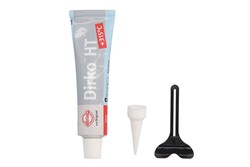
ELRING
Sealing Substance EL036164

REINZ
Sealing Substance 70-31414-10


Intake systems for: HYUNDAI I20 – airflow, performance and engine efficiency
The intake system is a critical component of every vehicle, responsible for delivering clean, filtered air to the engine for combustion. A properly functioning intake system in your car HYUNDAI I20 ensures optimal air-to-fuel ratio, which directly impacts engine performance, fuel efficiency, and emissions. It typically consists of elements such as the air filter, intake manifold, mass airflow sensor, and intake pipes. Together, these components regulate airflow and protect the engine from contaminants such as dust and debris. A well-maintained intake system allows the engine to “breathe” efficiently, resulting in smoother operation and improved responsiveness.
Why is a properly functioning intake system in your car HYUNDAI I20 so important?
A faulty or restricted intake system can significantly reduce engine performance and increase fuel consumption. Insufficient airflow leads to incomplete combustion, which may cause power loss, rough engine operation, or increased emissions. In modern vehicles, intake systems are closely integrated with electronic sensors that optimise engine performance in real time. A high-quality intake system for: HYUNDAI I20 ensures consistent airflow, accurate sensor readings, and reliable engine operation under all driving conditions. Regular maintenance and timely replacement of worn components are essential to keep the system working efficiently.
How to choose the right intake system for your car HYUNDAI I20?
Choosing the correct intake system for: HYUNDAI I20 requires attention to several important factors. Compatibility with your vehicle is key – all components must match the engine specifications and mounting points. The quality of the air filter plays a major role, as it determines how effectively contaminants are removed while maintaining proper airflow. You may choose between standard replacement filters for everyday driving or performance filters designed to improve airflow and engine response. It is also important to consider the material and design of intake pipes, as well as the integration with sensors such as the mass airflow sensor (MAF), which directly influences engine management.
Types of intake systems and their characteristics
There are several types of intake systems available, depending on driving style and performance expectations. Standard intake systems are designed for reliability, noise reduction, and balanced performance in everyday use. Performance intake systems, often referred to as cold air intakes, aim to deliver cooler, denser air to the engine, which can improve combustion efficiency and increase power output. Short ram intake systems focus on reducing airflow restrictions and improving throttle response. High-performance filters, including reusable and washable options, are also popular among drivers seeking better airflow and long-term cost savings. Each type offers different benefits, and the choice should be aligned with your driving needs and vehicle specifications.
Signs of intake system wear you should not ignore
Over time, intake system components may become clogged, worn, or damaged. Common signs of issues include reduced engine power, increased fuel consumption, rough idling, or unusual engine noises. A dirty or blocked air filter is one of the most frequent causes of poor performance, limiting airflow to the engine. Faulty sensors may also lead to incorrect air-fuel mixture, triggering warning lights on the dashboard. Visible cracks or leaks in intake pipes can further disrupt airflow and reduce efficiency. Regular inspection and maintenance help prevent these issues and ensure optimal engine operation.
Intake systems for: HYUNDAI I20
At IC24.UK, you will find a wide range of intake system components designed to meet the needs of different vehicles and drivers. The offer includes high-quality air filters, intake pipes, sensors, and complete intake kits from trusted manufacturers, ensuring durability and reliable performance. Whether you are looking for a standard replacement or a performance upgrade, you will find solutions tailored to your requirements.
Choosing the right intake system for: HYUNDAI I20 is an investment in your vehicle’s performance, efficiency, and longevity. Explore our offer and optimise your engine’s airflow today.
- Engine Oil HYUNDAI I20
- Car Body HYUNDAI I20
- Engine Parts HYUNDAI I20
- Tyres HYUNDAI I20
- Wiper Blades HYUNDAI I20
- Brake Discs HYUNDAI I20
- Brake Pads HYUNDAI I20
- Oil Filters HYUNDAI I20
- Fuel Filters HYUNDAI I20
- Air Filters HYUNDAI I20
- Suspension Parts HYUNDAI I20
- Stabilizer HYUNDAI I20
- Ignition/Glow System HYUNDAI I20
- Bulbs HYUNDAI I20
- Car Filters HYUNDAI I20
- Clutch HYUNDAI I20
- Batteries HYUNDAI I20
- Tuning HYUNDAI I20
- Engine Radiator HYUNDAI I20
- Exhaust System HYUNDAI I20
- Intercoolers HYUNDAI I20
- Brake Calipers HYUNDAI I20
- Muffler HYUNDAI I20
- Shock absorbers HYUNDAI I20
- Flywheel HYUNDAI I20
- Brakes HYUNDAI I20