
Shock absorbers HYUNDAI I20
#WSK
Select year

2018.06
(88)
2018.06
(74)

2020.08
(88)
2020.08
(74)

2021.09
(88)
2021.09
(74)

2021.09
(74)

(66)
(74)
(88)
(74)

2015.12
(55)
2018.06
(55)
2021.09
(55)
2021.09
(55)
2014.08
(56)
2014.08
(59)
2014.08
(62)
2021.06
(61)
(58)
(62)
(58)
2015.12
(63)
2012.12
(57)
2014.08
(60)
2020.08
(62)
2020.03
(55)
2020.09
(55)
2019.06
(61)
2021.09
(62)
2021.09
(55)
2021.09
(62)
2018.06
(74)
2018.06
(74)
2021.09
(74)
2021.09
(74)
(74)
2018.06
(66)
2015.12
(74)
2012.12
(55)
2015.12
(66)
2018.06
(66)
2021.09
(66)
2021.09
(66)
2012.12
(85)
2012.12
(94)
2014.08
(91)
2012.12
(93)
(150)

MAGNUM TECHNOLOGY
Shock absorber AG0539MT
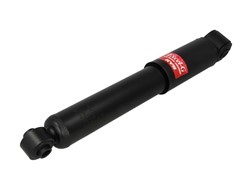
KYB
Shock absorber KYB349098
BILSTEIN
Shock absorber 19-235134
Hyundai i20: Common Issues, Parts for Replacement, and Maintenance Guide
Introduction
The Hyundai i20 is a popular compact hatchback that offers great reliability and efficiency. However, like any car, it comes with its own set of common issues and parts that require periodic attention. This guide highlights the most common problems experienced by owners, parts that need frequent replacements, and the essential maintenance practices that can help you extend the life of your Hyundai i20.
Common Problems in the Hyundai i20
1. Engine Misfire and Performance Issues
One of the most common problems reported by Hyundai i20 owners is engine misfire, often caused by faulty spark plugs, ignition coils, or fuel injectors. This issue is particularly noticeable during cold starts or under acceleration. Regularly replacing spark plugs (every 30,000 to 50,000 miles) and checking the ignition coils can prevent such issues.
2. Electrical Faults
Electrical problems, including issues with the dashboard lights, air conditioning, or window mechanisms, have been reported. These faults are often caused by blown fuses, corroded wiring, or malfunctioning control modules. Regular checks of the electrical system during scheduled maintenance can help detect and address these issues early.
3. Clutch Problems
For manual transmission models, clutch wear is a common issue, especially if the vehicle is driven in stop-and-go traffic. Signs of clutch wear include difficulty in shifting gears or a spongy clutch pedal. Clutch replacement is typically required around 60,000 to 80,000 miles, depending on driving conditions.
4. Suspension and Steering Problems
Some Hyundai i20 owners experience issues with the suspension and steering, such as worn-out shock absorbers or a loose steering wheel. These issues can cause discomfort during driving and affect handling. It is advisable to replace shock absorbers every 50,000 miles or sooner if you notice signs of wear.
Parts That Need Regular Replacement
1. Timing Belt
The timing belt is a crucial part of the engine, ensuring that the camshaft and crankshaft are synchronized. A failure in the timing belt can result in severe engine damage. For the Hyundai i20, the timing belt should be replaced every 60,000 to 100,000 miles, depending on the model and driving conditions.
2. Brake Pads and Rotors
Brake pads and rotors experience wear over time due to frequent braking. It’s important to replace brake pads every 30,000 to 50,000 miles, and rotors should be checked at every service. If you notice squeaking sounds or reduced braking efficiency, it's time to inspect these components.
3. Air Filters
Air filters are essential for proper engine breathing. Over time, they get clogged with dust and debris, which can reduce engine efficiency and fuel economy. It’s recommended to replace the air filter every 12,000 to 15,000 miles or during every service, particularly in dusty environments.
4. Battery
The battery is another component that may need replacement every 3 to 5 years. If you notice dim headlights or difficulty starting the car, it’s time to check the battery. Ensure the battery terminals are clean and corrosion-free to avoid electrical issues.
Recommended Fluids and Maintenance Schedule
1. Engine Oil
Engine oil is critical for the smooth operation of your Hyundai i20’s engine. It should be changed every 5,000 to 7,500 miles for most modern engines, using the manufacturer-recommended oil type. Always check the oil level regularly to ensure optimal engine performance.
2. Transmission Fluid
Transmission fluid helps in shifting gears smoothly and keeping the transmission system well-lubricated. It should be checked every 30,000 to 60,000 miles. If the fluid looks dark or has a burnt smell, it’s time to replace it.
3. Coolant
Coolant helps prevent engine overheating. It is recommended to change the coolant every 60,000 miles, but make sure to top up the coolant level regularly, particularly during hot weather. A lack of coolant can lead to engine overheating and damage.
4. Brake Fluid
Brake fluid is essential for efficient braking. Over time, brake fluid can absorb moisture, leading to reduced performance. It is recommended to change the brake fluid every 2 years or 24,000 miles to maintain safe braking efficiency.
Conclusion
The Hyundai i20 is a reliable and efficient vehicle, but like all cars, it requires proper care and regular maintenance to keep it running smoothly. By staying on top of common issues, timely replacements of parts, and following a regular maintenance schedule, you can extend the life of your Hyundai i20 and avoid costly repairs. Always refer to your vehicle’s owner’s manual for specific maintenance intervals and consult a trusted mechanic for more personalized advice.
- Engine Oil HYUNDAI I20
- Car Body HYUNDAI I20
- Engine Parts HYUNDAI I20
- Tyres HYUNDAI I20
- Wiper Blades HYUNDAI I20
- Brake Discs HYUNDAI I20
- Brake Pads HYUNDAI I20
- Oil Filters HYUNDAI I20
- Fuel Filters HYUNDAI I20
- Air Filters HYUNDAI I20
- Suspension Parts HYUNDAI I20
- Stabilizer HYUNDAI I20
- Ignition/Glow System HYUNDAI I20
- Bulbs HYUNDAI I20
- Car Filters HYUNDAI I20
- Clutch HYUNDAI I20
- Batteries HYUNDAI I20
- Tuning HYUNDAI I20
- Engine Radiator HYUNDAI I20
- Exhaust System HYUNDAI I20
- Intake System HYUNDAI I20
- Intercoolers HYUNDAI I20
- Brake Calipers HYUNDAI I20
- Muffler HYUNDAI I20
- Flywheel HYUNDAI I20
- Brakes HYUNDAI I20