
Shock absorbers MERCEDES-BENZ 190
#WSK
Select year

1993.08
(80)
1984.10
(66)
1990.05
(77)
1990.05
(75)
1986.12
(83)
1993.08
(87)
1993.06
(90)
1986.12
(85)
1993.08
(55)
1989.08
(53)
1991.08
(97)
1993.08
(100)
1987.01
(136)
1988.08
(130)
1987.12
(125)
1993.08
(69)
1993.08
(66)
1993.08
(93)
1993.08
(90)
1993.08
(150)
1993.08
(143)
1993.08
(143)
1993.08
(173)
1993.08
(118)
1989.12
(122)
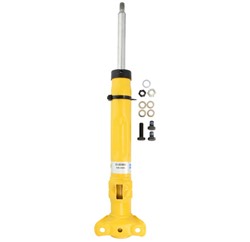
BILSTEIN
Sports shock absorber B8 22-003652 Front MERCEDES 124 (A124), 124 (C124), 124 T-MODEL (S124), 124 (W124), 190 (W201), E (A124), E (C124), E T-MODEL (S124), E (W124)
TRW
Shock absorber JGM434S

BILSTEIN
Sports shock absorber B6 22-100436 Front MERCEDES 124 (C124), 124 T-MODEL (S124), 124 (W124), 190 (W201), E (A124), E (C124), E T-MODEL (S124), E (W124)
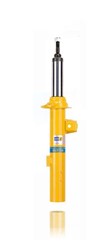
BILSTEIN
Sports shock absorber B8 24-014700 Rear MERCEDES 124 (A124), 124 (C124), 124 (W124), 190 (W201), E (A124), E (C124), E (W124)

BILSTEIN
Sports shock absorber B6 24-100441 Rear MERCEDES 124 (C124), 124 (W124), 190 (W201), E (A124), E (C124), E (W124)
Mercedes-Benz 190 (W201): Common Problems and Maintenance Guide
Introduction
The Mercedes-Benz 190 (W201), manufactured from 1982 to 1993, is known for its luxury, build quality, and iconic design. However, like any car, over time, it can experience wear and tear. In this article, we will explore the most common issues faced by owners of the Mercedes-Benz 190, along with essential maintenance tasks, including recommended oil changes, filters, and other consumables.
Common Problems with the Mercedes-Benz 190
1. Rust Issues
The Mercedes-Benz 190, particularly the earlier models, is prone to rust. Common areas that suffer from corrosion include the wheel arches, door bottoms, and undercarriage. Rust prevention through regular inspections and appropriate rust-proofing measures is highly recommended for maintaining the vehicle's longevity.
2. Electrical Problems
Many Mercedes-Benz 190 owners have reported issues with electrical components such as window regulators, central locking systems, and dashboard lights. Faulty fuses and loose connections are common culprits, so regular checks of the electrical system can help avoid breakdowns.
3. Steering Rack Failure
The steering rack in the 190 can sometimes fail, especially as the car ages. This may result in difficulty steering and, in some cases, a loss of power steering. Replacing the steering rack is often necessary for restoring proper handling.
4. Transmission Issues
Some owners have reported problems with the automatic transmission, such as slipping or rough shifting. These issues could stem from low fluid levels or a need for transmission fluid replacement. A transmission service should be done regularly to prevent more serious problems.
5. Engine Oil Leaks
Over time, the engine seals on the Mercedes-Benz 190 can wear out, leading to oil leaks. Common sources of these leaks include the valve cover gasket, oil pan, and front crankshaft seal. Regularly inspecting and replacing worn seals can prevent oil loss and engine damage.
6. Overheating
The cooling system of the 190 can fail if not properly maintained. Common causes of overheating include a faulty thermostat, radiator leaks, or issues with the water pump. Regular coolant flushes and ensuring the radiator is clear of debris can help prevent overheating.
Recommended Repairs and Replacements
1. Timing Chain
For the Mercedes-Benz 190, especially those with higher mileage, the timing chain can stretch, affecting the engine's performance. It’s recommended to replace the timing chain around 200,000 miles to avoid potential engine damage.
2. Suspension Components
Given the vehicle's age, suspension components such as control arm bushings, shock absorbers, and coil springs may need replacement. Regular inspections can help spot wear before it leads to handling issues.
3. Fuel Pump and Fuel Injectors
Fuel pumps and injectors can wear out, leading to poor fuel efficiency or rough engine performance. Replacing the fuel pump or cleaning/replacing the injectors can restore engine power and efficiency.
4. Power Steering Fluid
Power steering fluid should be replaced regularly, especially in high-mileage models. If the fluid level drops or becomes contaminated, it can lead to steering problems and damage to the steering pump.
5. Brake Pads and Rotors
As with any vehicle, brake pads and rotors need to be replaced periodically. Worn-out brakes can significantly affect the car’s stopping power. A thorough inspection of the brake system is recommended every 20,000 miles.
Maintenance Guide for the Mercedes-Benz 190
1. Regular Oil Changes
For the Mercedes-Benz 190, oil changes are essential to keep the engine running smoothly. It is recommended to use high-quality synthetic motor oil with a change interval of every 5,000 to 7,500 miles depending on driving conditions.
2. Air Filters
The air filter should be replaced every 15,000 to 30,000 miles, depending on the driving environment. If the car is often driven in dusty conditions, the air filter may need more frequent replacement.
3. Fuel Filters
Fuel filters are crucial in ensuring the engine receives clean fuel. It is advisable to replace the fuel filter every 30,000 miles or whenever there are performance issues like rough idling or stalling.
4. Transmission Fluid
Transmission fluid should be replaced every 40,000 to 60,000 miles. This ensures smooth shifting and can help prolong the life of the transmission system.
5. Coolant System Maintenance
Flush the cooling system and replace the coolant every 30,000 miles or so to prevent overheating and protect the engine from corrosion.
6. Brake Fluid
Brake fluid should be changed every 2 years or 24,000 miles to maintain brake efficiency and ensure the safety of the vehicle.
Conclusion
The Mercedes-Benz 190, while a well-built and reliable vehicle, requires regular maintenance to keep it running at its best. By addressing common problems such as rust, electrical issues, and transmission maintenance, and sticking to a proper service schedule, owners can ensure that their 190 remains a dependable companion for many years.