
Shock absorbers MERCEDES-BENZ V
#WSK
Select year

(120)
(120)
(140)
(140)
2020.12
(176)
(174)
(174)
2020.12
(176)
(155)

2003.07
(95)
(170)
(100)
(100)
(120)
(120)
(140)
(140)
2003.07
(75)
2003.07
(90)

2003.07
(75)
2003.07
(90)
2003.07
(105)
2003.07
(105)
2003.07
(72)
1999.02
(72)
2003.07
(128)
2003.07
(128)
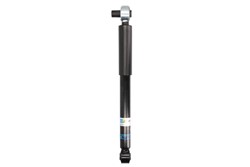
BILSTEIN
Shock absorber 24-276092

BILSTEIN
Shock absorber 24-276108

MAGNUM TECHNOLOGY
Shock absorber AGM108MT
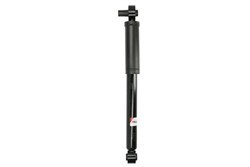
MAGNUM TECHNOLOGY
Shock absorber AGM103MT

MONROE
Shock absorber MONV5008

SACHS
Shock absorber 318 236

MEYLE
Shock absorber 026 623 0031

SACHS
Shock absorber 318 234

MONROE
Shock absorber MONG8822

BILSTEIN
Shock absorber 22-250407

MONROE
Shock absorber MONG8821

MAGNUM TECHNOLOGY
Shock absorber AGM117MT
Mercedes-Benz V-Class: Common Problems, Repairs, and Maintenance Guide
Introduction
The Mercedes-Benz V-Class is a high-performance luxury van that offers excellent comfort and practicality, often chosen for both personal and commercial use. As with any vehicle, certain common issues may arise during its lifespan. This guide covers the typical problems with the Mercedes-Benz V-Class, the necessary repairs, and how to maintain your vehicle for optimal performance.
Common Problems with the Mercedes-Benz V-Class
1. Transmission Issues
Transmission problems are relatively common with the V-Class, especially in older models. Owners may experience delayed or rough shifting, or even complete transmission failure. This issue is often due to the wear of the transmission control module or the transmission fluid. Regular fluid checks and replacements are essential to avoid this problem.
2. Turbocharger Failure
The turbochargers in the V-Class can experience wear and tear, leading to a decrease in performance, loss of power, and increased exhaust emissions. Regular maintenance, including checking the turbocharger hoses and keeping the air filter clean, can help mitigate this issue.
3. Electrical Problems
Electrical malfunctions, such as issues with sensors, dashboard lights, and the battery, are common with the V-Class. Problems may arise due to worn-out wiring or faulty alternators. Keeping the battery in good condition and performing electrical system checks can prevent electrical failures.
4. Suspension and Steering Problems
Over time, the suspension system, particularly the shock absorbers, can wear down. This leads to handling issues, especially when driving over rough terrain or uneven roads. Steering issues, including a loose steering wheel or odd noises, can also occur due to problems with the steering rack or power steering pump.
5. Brake Wear
As with all vehicles, the brakes on the V-Class will naturally wear down over time. The brake pads, rotors, and discs need to be checked regularly. Ignoring brake wear can result in reduced braking efficiency, which may cause safety concerns.
Regular Maintenance and Repair Needs
1. Oil and Filter Changes
To ensure the smooth running of your V-Class engine, it is vital to change the engine oil and filter at regular intervals, usually every 10,000-15,000 miles, depending on the model and driving conditions. Use the recommended oil type and always replace the filter during each oil change.
2. Fluid Checks
Along with engine oil, regularly checking and replacing other fluids such as brake fluid, power steering fluid, and coolant is essential for the V-Class. Fluid degradation or leakage can lead to significant issues with vehicle performance and safety.
3. Tire Maintenance
The V-Class, being a larger vehicle, requires tire maintenance to ensure proper traction and safety. Tires should be rotated every 6,000 to 8,000 miles, and the tread should be checked regularly. Ensuring your tires are properly inflated is also crucial for optimal fuel efficiency and handling.
4. Brake System Checks
As previously mentioned, the brakes are critical for safety. It's recommended to have your brakes inspected every 10,000 miles and to replace the brake pads when they are worn down. Be sure to check the condition of the brake discs to prevent further damage.
5. Air Filter Replacement
The air filters should be replaced approximately every 15,000 miles. A clogged air filter can reduce engine performance, fuel efficiency, and increase emissions. Ensuring that your air filter is clean and functioning is important for maintaining the engine's longevity.
Recommended Consumables and Fluids
1. Recommended Oils
Mercedes-Benz V-Class models typically require synthetic engine oil. The recommended oil grade is typically 5W-30 or 5W-40, depending on the engine model and climate conditions. Be sure to follow the manufacturer's instructions for the specific engine variant.
2. Brake Fluid
For optimal brake performance, Mercedes-Benz recommends using DOT 4 brake fluid. This should be checked and replaced at least once every two years, regardless of mileage.
3. Transmission Fluid
It is essential to use the correct transmission fluid for the V-Class. The specific fluid will depend on the transmission type. Regularly check fluid levels, especially if you notice any rough shifts or slippage in the transmission.
4. Coolant
Ensure that the coolant system is maintained with the recommended Mercedes-Benz coolant type. The coolant should be checked at least once a year and replaced every two years.
Conclusion
The Mercedes-Benz V-Class offers luxury and performance, but like all vehicles, it requires regular maintenance and care. By staying on top of common issues like transmission problems, brake wear, and turbocharger maintenance, you can ensure that your V-Class remains in top condition. Regular servicing with genuine Mercedes-Benz parts will help prolong the lifespan of the vehicle and maintain its high standards of performance.
- Engine Oil MERCEDES-BENZ V
- Car Body MERCEDES-BENZ V
- Engine Parts MERCEDES-BENZ V
- Tyres MERCEDES-BENZ V
- Wiper Blades MERCEDES-BENZ V
- Brake Discs MERCEDES-BENZ V
- Brake Pads MERCEDES-BENZ V
- Oil Filters MERCEDES-BENZ V
- Fuel Filters MERCEDES-BENZ V
- Air Filters MERCEDES-BENZ V
- Suspension Parts MERCEDES-BENZ V
- Stabilizer MERCEDES-BENZ V
- Ignition/Glow System MERCEDES-BENZ V
- Bulbs MERCEDES-BENZ V
- Car Filters MERCEDES-BENZ V
- Clutch MERCEDES-BENZ V
- Batteries MERCEDES-BENZ V
- Tuning MERCEDES-BENZ V
- Engine Radiator MERCEDES-BENZ V
- Exhaust System MERCEDES-BENZ V
- Intake System MERCEDES-BENZ V
- Intercoolers MERCEDES-BENZ V
- Brake Calipers MERCEDES-BENZ V
- Muffler MERCEDES-BENZ V
- Flywheel MERCEDES-BENZ V
- Brakes MERCEDES-BENZ V
Shock absorbers for other models of MERCEDES-BENZ
- Shock absorbers MERCEDES-BENZ A
- Shock absorbers MERCEDES-BENZ B
- Shock absorbers MERCEDES-BENZ C
- Shock absorbers MERCEDES-BENZ CLA
- Shock absorbers MERCEDES-BENZ E
- Shock absorbers MERCEDES-BENZ G
- Shock absorbers MERCEDES-BENZ GLA
- Shock absorbers MERCEDES-BENZ GLC
- Shock absorbers MERCEDES-BENZ GLE
- Shock absorbers MERCEDES-BENZ S
- Shock absorbers MERCEDES-BENZ SLK
- Shock absorbers MERCEDES-BENZ SPRINTER
- Shock absorbers MERCEDES-BENZ V
- Shock absorbers MERCEDES-BENZ VITO