
Shock absorbers MERCEDES-BENZ VITO
#WSK
Select year

2014.08
(60)

(60)

(150)
(85)

(85)
(150)

(65)
(84)
(65)
(84)
(65)
(84)
(75)
(100)
(75)
(100)
(75)
(100)
(75)
(100)
(100)
(120)
(120)
(140)
(140)
(174)
2020.12
(176)
(174)
2020.12
(176)
(100)
(100)
(120)
(120)
(140)
(140)
2020.12
(176)
(174)
(176)
(174)
(75)
(100)
(100)
(120)
(120)
(140)
(140)
(135)
(135)
(155)
(155)
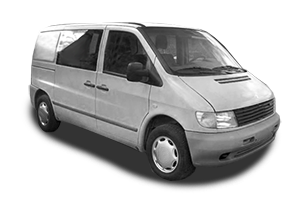
2003.07
(95)
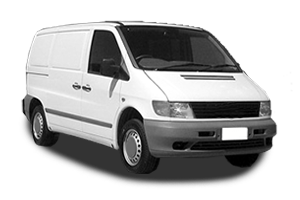
2003.07
(95)
(170)
(170)
2014.08
(70)
2014.08
(100)
2014.08
(100)
2014.08
(120)
2014.08
(120)
2014.08
(70)
(100)
2014.08
(100)
(120)
2014.08
(120)
(100)
(100)
(120)
(120)
(140)
(140)
(100)
(100)
(120)
(120)
(140)
(140)
(100)
(100)
(120)
(120)
(140)
(140)
2014.08
(70)
2006.07
(65)
2007.08
(80)
2014.08
(85)
2014.08
(80)
2014.08
(110)
2014.08
(110)
2003.07
(60)
2003.07
(75)
2003.07
(90)
(70)
(65)
2014.08
(70)
(85)
(80)
2014.08
(80)
(110)
2014.08
(110)
2003.07
(60)
2003.07
(75)
2003.07
(90)
2003.07
(105)
2003.07
(105)
2003.07
(58)
2003.07
(72)
2003.07
(58)
2003.07
(72)
2014.08
(150)
2014.08
(165)
(150)
(165)
2008.07
(140)
2004.09
(160)
(140)
(160)
2014.08
(190)
(190)
2008.07
(165)
2008.07
(170)
2008.07
(165)
2008.07
(170)

KYB
Shock absorber KYB553338
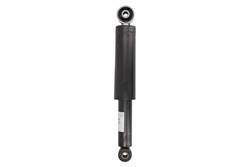
SACHS
Shock absorber 317 338
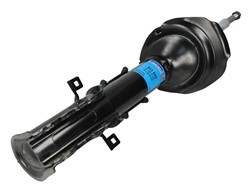
SACHS
Shock absorber 311 645
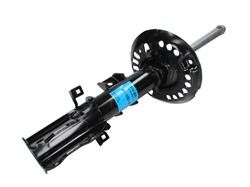
SACHS
Shock absorber 314 885

BILSTEIN
Shock absorber 22-264091
Mercedes-Benz Vito: Common Problems, Parts, and Maintenance Guide
Introduction
The Mercedes-Benz Vito is a versatile and highly regarded van, popular for its reliability and performance in both commercial and private use. However, like all vehicles, the Vito comes with its own set of issues, especially as it ages and accumulates mileage. This guide will explore the common problems, parts that often require repair or replacement, and the recommended maintenance schedule for the Vito, ensuring you keep it running smoothly for years to come.
Common Problems with the Mercedes-Benz Vito
While the Vito is known for its overall reliability, certain issues are more prevalent than others. Below are some of the most commonly reported problems by owners and technicians:
1. Diesel Particulate Filter (DPF) Issues
The DPF is crucial for reducing emissions in diesel engines, but it can become clogged, particularly in models used for short-distance driving. When the DPF gets blocked, it can lead to poor engine performance, increased fuel consumption, and in some cases, a warning light on the dashboard.
2. Turbocharger Failures
The turbocharger is an essential component of the Vito’s engine, and over time, it can fail due to high mileage or poor maintenance. Symptoms of turbocharger failure include decreased engine power, unusual noises from the engine, and an increase in exhaust smoke.
3. Electrical Issues
Many Vito owners have reported issues with the van’s electrical system, including problems with the battery, alternator, and fuse boxes. Electrical malfunctions can cause a range of issues from minor inconvenience (like power windows not working) to more significant problems such as engine starting failures.
4. Gearbox Problems
The Vito’s automatic and manual gearboxes are prone to issues, particularly in older models. These problems can include rough shifting, failure to engage gears, or complete transmission failure. Regular fluid checks and replacements can help mitigate these issues.
5. Suspension Wear
Due to the weight and load capacity of the Vito, its suspension components can experience significant wear. Common issues include worn-out shock absorbers and bushings, which can lead to poor handling, noise, and even alignment problems.
6. Air Conditioning Failures
Another common complaint is the air conditioning system failing or becoming inefficient. This can be due to leaks in the system, compressor failure, or problems with the refrigerant charge. Regular maintenance and prompt repair of leaks can help prolong the life of the air conditioning system.
Common Parts That Need Replacement
Like all vehicles, certain parts of the Mercedes-Benz Vito will wear out over time, especially if the vehicle is used extensively. Some parts need to be replaced more frequently than others:
1. Brake Pads and Discs
The Vito’s brake system is subject to wear and tear, particularly for vehicles used in urban settings with frequent stop-and-go driving. It is essential to inspect and replace the brake pads and discs regularly to ensure safe driving conditions.
2. Timing Chain
The timing chain can stretch or fail over time, particularly in higher-mileage vehicles. A failing timing chain can lead to engine misfires, rattling noises, and in the worst case, engine failure. It's crucial to replace the timing chain at the manufacturer’s recommended interval to prevent catastrophic engine damage.
3. Batteries
Vito owners have reported battery issues, particularly in older models. Batteries typically last 3-5 years, and it is important to check for corrosion or poor performance, particularly in cold weather.
4. Clutch Components
In manual transmission Vitos, the clutch system is prone to wear, especially with heavy use or improper driving. Components like the clutch plate, release bearing, and flywheel may need to be replaced after a certain mileage.
5. Wheel Bearings
Wheel bearings are critical for smooth driving. They can wear out over time, especially on high-mileage vehicles. Worn-out wheel bearings cause loud noises and can lead to handling problems if left unchecked.
Recommended Maintenance and Fluids
To keep your Mercedes-Benz Vito in top condition, regular maintenance is essential. Below is a list of essential fluids, filters, and maintenance tasks to be performed periodically:
1. Oil and Oil Filter
Regular oil changes are critical for engine longevity. Mercedes-Benz recommends changing the engine oil and oil filter every 10,000-15,000 miles or annually, whichever comes first. Always use high-quality, brand-specific oil to maintain optimal performance.
2. Transmission Fluid
The transmission fluid should be checked and changed regularly. This is especially important for automatic transmission models. The fluid ensures smooth shifting and prevents overheating of the transmission system. Recommended change interval: every 30,000-40,000 miles.
3. Brake Fluid
Brake fluid is essential for the proper functioning of the braking system. Check the brake fluid levels regularly, and replace the fluid every 2 years or 24,000 miles to maintain braking efficiency and avoid corrosion of brake components.
4. Coolant
Coolant prevents the engine from overheating and protects the radiator. The coolant should be replaced every 3-5 years to prevent issues with the engine’s cooling system, such as overheating or corrosion in the radiator.
5. Air Filters
The engine air filter and cabin air filter should be replaced regularly to ensure proper airflow and engine efficiency. Typically, air filters should be replaced every 15,000-30,000 miles, or sooner if you often drive in dusty conditions.
6. Timing Belt
If your Vito has a timing belt (as opposed to a chain), it should be replaced at the manufacturer-recommended intervals, usually every 60,000-100,000 miles. A worn-out timing belt can cause severe engine damage.
Conclusion
The Mercedes-Benz Vito is a robust and reliable vehicle when maintained properly. Regular maintenance and prompt attention to common problems can ensure that your Vito remains in good condition for years. Be sure to address issues such as DPF clogging, gearbox malfunctions, and suspension wear early to avoid costly repairs down the line. Following the recommended service intervals for fluids and parts will help keep your vehicle performing at its best, maintaining both its value and reliability.
- Engine Oil MERCEDES-BENZ VITO
- Car Body MERCEDES-BENZ VITO
- Engine Parts MERCEDES-BENZ VITO
- Tyres MERCEDES-BENZ VITO
- Wiper Blades MERCEDES-BENZ VITO
- Brake Discs MERCEDES-BENZ VITO
- Brake Pads MERCEDES-BENZ VITO
- Oil Filters MERCEDES-BENZ VITO
- Fuel Filters MERCEDES-BENZ VITO
- Air Filters MERCEDES-BENZ VITO
- Suspension Parts MERCEDES-BENZ VITO
- Stabilizer MERCEDES-BENZ VITO
- Ignition/Glow System MERCEDES-BENZ VITO
- Bulbs MERCEDES-BENZ VITO
- Car Filters MERCEDES-BENZ VITO
- Clutch MERCEDES-BENZ VITO
- Batteries MERCEDES-BENZ VITO
- Tuning MERCEDES-BENZ VITO
- Engine Radiator MERCEDES-BENZ VITO
- Exhaust System MERCEDES-BENZ VITO
- Intake System MERCEDES-BENZ VITO
- Intercoolers MERCEDES-BENZ VITO
- Brake Calipers MERCEDES-BENZ VITO
- Muffler MERCEDES-BENZ VITO
- Flywheel MERCEDES-BENZ VITO
- Brakes MERCEDES-BENZ VITO
Shock absorbers for other models of MERCEDES-BENZ
- Shock absorbers MERCEDES-BENZ A
- Shock absorbers MERCEDES-BENZ B
- Shock absorbers MERCEDES-BENZ C
- Shock absorbers MERCEDES-BENZ CLA
- Shock absorbers MERCEDES-BENZ E
- Shock absorbers MERCEDES-BENZ G
- Shock absorbers MERCEDES-BENZ GLA
- Shock absorbers MERCEDES-BENZ GLC
- Shock absorbers MERCEDES-BENZ GLE
- Shock absorbers MERCEDES-BENZ S
- Shock absorbers MERCEDES-BENZ SLK
- Shock absorbers MERCEDES-BENZ SPRINTER
- Shock absorbers MERCEDES-BENZ V
- Shock absorbers MERCEDES-BENZ VITO