
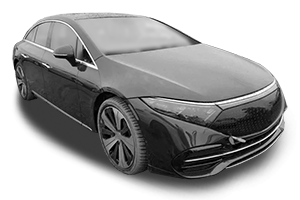
Shock absorbers MERCEDES-BENZ EQS
#WSK
Select year
(215)
(270)
(265)
(265)
(245)
(300)
(350)
(330)
(484)
(560)
(430)
(400)
(385)

(265)
(265)
(330)
(400)
(484)

BILSTEIN
Shock absorber 20-342500

BILSTEIN
Shock absorber 20-342517
Mercedes-Benz EQS: Common Problems, Maintenance, and Repairs
Mercedes-Benz EQS, the luxury electric sedan, marks a revolutionary step for the brand in the electric vehicle (EV) segment. While the EQS promises cutting-edge technology and unrivaled comfort, like any high-end vehicle, it does face a series of common issues. In this article, we'll explore these challenges, discuss the necessary repairs, and highlight key maintenance practices to keep your Mercedes-Benz EQS running smoothly.
Introduction to the Mercedes-Benz EQS
The Mercedes-Benz EQS, part of the EQ lineup, is a flagship electric sedan designed to rival traditional luxury sedans, offering a blend of innovation, performance, and sustainability. Powered by a large battery and featuring advanced tech, the EQS delivers impressive performance, range, and luxury. However, like all vehicles, it has areas where drivers should be vigilant for long-term durability.
Common Problems with the Mercedes-Benz EQS
1. Battery Issues
The battery in the EQS is a key component, and as with any electric vehicle, problems related to charging, battery degradation, or range anxiety can occur. Users have reported instances of the battery taking longer to charge than expected or failing to charge beyond a certain percentage, potentially linked to software issues or wear and tear.
2. Software and Connectivity Issues
The EQS features the MBUX Hyperscreen, which is a large touchscreen system that controls a majority of the car’s functions. Some owners have reported bugs or software glitches that affect navigation, infotainment, or even climate control settings. These issues are often linked to system updates or connectivity bugs that Mercedes-Benz aims to fix with software patches.
3. Suspension Problems
Given the size and weight of the EQS, its air suspension system can sometimes experience issues such as leaks or failures, which can lead to ride discomfort or uneven vehicle height. This is more likely to occur in vehicles that have been driven extensively or that have been exposed to extreme weather conditions.
4. Electrical System Failures
As an electric vehicle, the EQS is heavily reliant on its electrical system, which includes high-voltage wiring, converters, and sensors. Faults in these components can cause malfunctions in vital systems, including the motor, brakes, or lighting. Electrical issues in EVs like the EQS are typically rare but can be expensive to repair when they do occur.
Common Repairs for the Mercedes-Benz EQS
1. Battery Replacement
If the battery degrades over time, requiring replacement, this can be one of the most expensive repairs for an EQS. However, Mercedes-Benz offers an 8-year/100,000-mile warranty on the battery, which typically covers most issues. It is essential to ensure that your EQS’s battery is regularly monitored and properly maintained to maximize its lifespan.
2. Suspension and Air Spring Replacement
If the suspension system develops a fault, such as air spring failure or leaking suspension components, it will need to be addressed promptly. Replacing air springs or repairing the suspension components requires a qualified technician, and these repairs may be costly depending on the extent of the damage.
3. Software Updates
To prevent ongoing software glitches, regular system updates are critical. Mercedes-Benz frequently releases software patches for the MBUX Hyperscreen and related systems to enhance functionality and fix any bugs that might cause malfunctions. Keeping your EQS’s software up to date can help avoid many common issues.
4. Electrical System Troubleshooting
If electrical issues arise, especially with the high-voltage system, it’s important to address them immediately with a certified technician. Diagnosing and repairing electrical problems can be tricky and often requires specialized tools to ensure safety and effectiveness in the repair.
Regular Maintenance for the Mercedes-Benz EQS
1. Tire Rotation and Alignment
To ensure optimal performance and even tire wear, it’s important to rotate the tires every 10,000 to 12,000 miles. In addition, wheel alignment should be checked during regular servicing to avoid premature tire wear.
2. Brake Fluid Replacement
Unlike traditional vehicles, the EQS uses regenerative braking, which reduces wear on traditional brake components. However, the brake fluid still needs to be replaced every 2 years to maintain optimal braking performance.
3. Cabin Air Filter Replacement
The cabin air filter should be replaced every 20,000 to 30,000 miles to ensure clean and fresh air inside the vehicle. This is especially important for maintaining the climate control system's efficiency.
4. High-Voltage System Inspection
The high-voltage system, which includes the battery, motors, and related wiring, should be inspected annually to ensure that everything is in working order and there are no risks of malfunctions. Any potential issues with this system should be addressed immediately to avoid further complications.
Oils, Filters, and Fluids for the Mercedes-Benz EQS
1. Electric Vehicle Fluids
Unlike conventional vehicles, the EQS does not require regular engine oil changes. However, it still requires transmission fluid and brake fluid checks, as well as coolant levels for the electric motor and battery management system. These fluids should be checked periodically during routine maintenance.
2. Air Filter
The air filter should be replaced regularly to prevent dirt and debris from entering the cabin and impacting the air quality. The recommended replacement interval is every 15,000 to 30,000 miles, depending on driving conditions.
3. Brake Fluid
Brake fluid should be replaced every 2 years, as it can degrade over time, reducing braking efficiency. This is especially important for maintaining the regenerative braking system's performance.
Conclusion
While the Mercedes-Benz EQS offers cutting-edge technology and top-tier luxury, it’s important for owners to stay on top of regular maintenance and be aware of potential issues that may arise. By addressing common problems such as battery degradation, suspension issues, and software glitches promptly, owners can ensure that their EQS remains a reliable and high-performance vehicle for years to come. Regular servicing and attention to key systems such as the battery and high-voltage components will also help maximize the lifespan of this revolutionary electric vehicle.
- Engine Oil MERCEDES-BENZ EQS
- Car Body MERCEDES-BENZ EQS
- Engine Parts MERCEDES-BENZ EQS
- Tyres MERCEDES-BENZ EQS
- Wiper Blades MERCEDES-BENZ EQS
- Brake Discs MERCEDES-BENZ EQS
- Brake Pads MERCEDES-BENZ EQS
- Oil Filters MERCEDES-BENZ EQS
- Fuel Filters MERCEDES-BENZ EQS
- Air Filters MERCEDES-BENZ EQS
- Suspension Parts MERCEDES-BENZ EQS
- Stabilizer MERCEDES-BENZ EQS
- Ignition/Glow System MERCEDES-BENZ EQS
- Bulbs MERCEDES-BENZ EQS
- Car Filters MERCEDES-BENZ EQS
- Clutch MERCEDES-BENZ EQS
- Batteries MERCEDES-BENZ EQS
- Tuning MERCEDES-BENZ EQS
- Engine Radiator MERCEDES-BENZ EQS
- Exhaust System MERCEDES-BENZ EQS
- Intake System MERCEDES-BENZ EQS
- Intercoolers MERCEDES-BENZ EQS
- Brake Calipers MERCEDES-BENZ EQS
- Muffler MERCEDES-BENZ EQS
- Flywheel MERCEDES-BENZ EQS
- Brakes MERCEDES-BENZ EQS
Shock absorbers for other models of MERCEDES-BENZ
- Shock absorbers MERCEDES-BENZ A
- Shock absorbers MERCEDES-BENZ B
- Shock absorbers MERCEDES-BENZ C
- Shock absorbers MERCEDES-BENZ CLA
- Shock absorbers MERCEDES-BENZ E
- Shock absorbers MERCEDES-BENZ G
- Shock absorbers MERCEDES-BENZ GLA
- Shock absorbers MERCEDES-BENZ GLC
- Shock absorbers MERCEDES-BENZ GLE
- Shock absorbers MERCEDES-BENZ S
- Shock absorbers MERCEDES-BENZ SLK
- Shock absorbers MERCEDES-BENZ SPRINTER
- Shock absorbers MERCEDES-BENZ V
- Shock absorbers MERCEDES-BENZ VITO