
Shock absorbers HYUNDAI I10
#WSK
Select year

2013.12
(51)

2019.12
(49)
2016.08
(51)
2019.12
(49)

(46)
(49)
(74)
(66)
2013.12
(49)
2013.12
(50)
2013.12
(51)
2013.12
(48)
2013.12
(51)
2013.12
(48)
2011.12
(55)
2011.04
(55)
(58)
(62)
2013.12
(63)
2018.05
(64)
2011.12
(57)
2013.12
(57)
2019.12
(64)

(64)
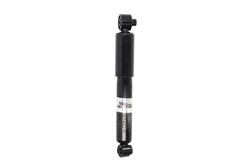
MAGNUM TECHNOLOGY
Shock absorber AG0546MT

KOREA
Shock absorber A230552OEM
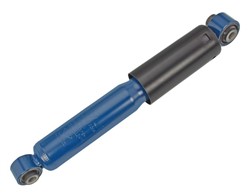
MEYLE
Shock absorber 37-26 725 0008
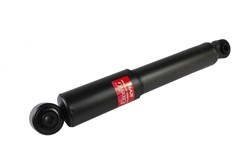
KYB
Shock absorber KYB349087

KYB
Shock absorber KYB3320026
Hyundai i10 Common Problems, Maintenance, and Repair Guide
Introduction
The Hyundai i10 is a popular city car known for its affordability, compact size, and fuel efficiency. However, like all cars, it is not free from issues that can arise over time. This guide will take a closer look at the most common problems faced by Hyundai i10 owners, maintenance advice, and how to keep your i10 running smoothly for years to come.
Common Problems with Hyundai i10
While the Hyundai i10 is generally reliable, owners have reported a few recurring issues that should be addressed to maintain the car’s performance:
- Electrical Issues: Some owners have reported problems with the electrical system, particularly with the car’s lights and battery. Issues with the alternator can lead to the battery not charging correctly, causing electrical faults.
- Suspension Wear: The suspension components, particularly the shock absorbers and bushings, may wear out earlier than expected, especially if the car is frequently driven on rough roads.
- Transmission Problems: A small number of i10 models, especially those with automatic transmissions, have experienced issues with rough shifting and hesitation while changing gears.
- Clutch Problems: Some manual transmission variants suffer from clutch wear that can lead to slipping or poor engagement, often around 50,000 to 60,000 miles.
- Air Conditioning Issues: The air conditioning system can sometimes fail, particularly in older models, which could be caused by issues such as refrigerant leaks or a faulty compressor.
Maintenance Schedule and Recommendations
Routine maintenance is crucial to keep your Hyundai i10 running optimally. Here is a basic maintenance schedule to follow:
- Oil and Filter Change: Every 10,000 miles or 12 months, whichever comes first. This ensures that the engine is well-lubricated and reduces wear on engine parts.
- Brake Fluid Replacement: Replace the brake fluid every 24,000 miles or every two years to maintain optimal braking performance.
- Air Filter Replacement: Replace the air filter every 20,000 miles to ensure the engine receives a clean supply of air for combustion.
- Timing Belt Replacement: Replace the timing belt every 60,000 to 100,000 miles depending on the model and year. A failure of the timing belt can cause severe engine damage.
- Coolant Flush: Flush the cooling system every 30,000 miles to prevent overheating and ensure that the engine operates at the correct temperature.
Technical Fluids and Consumables
Choosing the right fluids and consumables is key to maintaining the performance of your Hyundai i10. The following are some recommendations:
- Engine Oil: Use 5W-30 or 10W-30 viscosity grade engine oil. Ensure that the oil meets the standards set by Hyundai for optimal engine performance.
- Transmission Fluid: For manual transmissions, a synthetic 75W-90 oil is recommended. For automatic transmissions, Hyundai recommends using the official Hyundai automatic transmission fluid (ATF).
- Brake Fluid: Use DOT 4 brake fluid to maintain safe and effective braking performance.
- Power Steering Fluid: Use Hyundai-approved power steering fluid to ensure smooth operation of the steering system.
- Coolant: Use a mixture of antifreeze and water, typically a 50:50 ratio, to keep the engine’s cooling system operating effectively.
Common Replacement Parts
As your i10 ages, certain parts may need to be replaced due to wear and tear. Below are common parts that often require replacement:
- Brake Pads: Brake pads are essential for safe driving and will need replacement approximately every 30,000 to 40,000 miles, depending on your driving style.
- Battery: The battery typically lasts 3 to 5 years, but extreme weather conditions can affect its lifespan. Regular checks can prevent sudden battery failures.
- Spark Plugs: Spark plugs should be replaced every 40,000 to 60,000 miles to ensure proper engine performance and fuel efficiency.
- Tyres: Tyres should be rotated every 10,000 to 12,000 miles, and replaced when the tread depth is below 1.6mm for safety reasons.
- Suspension Components: The shock absorbers and bushings can wear out after 50,000 to 70,000 miles, leading to handling issues and a rough ride.
How to Avoid Common Problems
Taking preventive measures can save you time and money in the long run. Here are a few tips to keep your Hyundai i10 in top condition:
- Regularly inspect the engine oil level and ensure that it remains at the correct level to avoid engine damage.
- Monitor the tire pressure and align the wheels periodically to ensure proper handling and prevent premature tire wear.
- Keep an eye on the brakes by checking the brake pads and fluid levels to maintain stopping power.
- Replace the cabin air filter regularly to ensure good air quality inside the car.
- Keep an eye on the suspension system for any signs of wear, especially if you frequently drive on rough roads.
- Engine Oil HYUNDAI I10
- Car Body HYUNDAI I10
- Engine Parts HYUNDAI I10
- Tyres HYUNDAI I10
- Wiper Blades HYUNDAI I10
- Brake Discs HYUNDAI I10
- Brake Pads HYUNDAI I10
- Oil Filters HYUNDAI I10
- Fuel Filters HYUNDAI I10
- Air Filters HYUNDAI I10
- Suspension Parts HYUNDAI I10
- Stabilizer HYUNDAI I10
- Ignition/Glow System HYUNDAI I10
- Bulbs HYUNDAI I10
- Car Filters HYUNDAI I10
- Clutch HYUNDAI I10
- Batteries HYUNDAI I10
- Tuning HYUNDAI I10
- Engine Radiator HYUNDAI I10
- Exhaust System HYUNDAI I10
- Intake System HYUNDAI I10
- Intercoolers HYUNDAI I10
- Brake Calipers HYUNDAI I10
- Muffler HYUNDAI I10
- Flywheel HYUNDAI I10
- Brakes HYUNDAI I10