
Shock absorbers HYUNDAI I30
#WSK
Select year

(88)
(74)
(85)
(88)
(74)

(74)
(85)
(88)
(88)
(74)

(88)
(88)

(88)

(88)
2020.12
(103)
2020.12
(103)
(103)
2020.12
(103)
2020.12
(103)

2016.12
(74)
2020.12
(74)

(74)

2017.05
(74)
2020.12
(74)

2017.05
(74)

2017.05
(74)

2011.11
(80)
2011.11
(77)
2015.12
(73)
2016.12
(66)
2014.12
(73)
2014.12
(73)
2017.05
(66)

2012.06
(80)
2012.06
(77)
2012.06
(80)
2015.12
(73)
2017.05
(66)
(103)
(118)
(103)
(118)
(103)
(118)
(81)
(71)
(81)
(71)
(71)
2011.11
(94)
2011.11
(85)
2011.11
(66)
2011.11
(81)
2016.12
(100)
2015.12
(94)
2016.12
(81)
(70)
(81)
(100)
(94)
(100)
(81)
2012.06
(66)
2012.06
(85)
2012.06
(94)
(100)
2015.12
(94)
(81)
(100)
(81)
(94)
2022.01
(100)
(81)
(81)
(81)
(100)
2011.11
(93)
2011.11
(90)
2011.11
(85)
2015.12
(95)
(96)
2016.12
(88)
2016.12
(99)
(137)
(99)
(88)
(137)
2012.06
(85)
2012.06
(93)
2012.06
(90)
(88)
2015.12
(95)
(99)
(99)
(137)
(99)
(70)
(85)
(81)
(100)
(100)
(110)
(81)
(85)
(100)
(100)
(110)
(100)
(100)
2011.11
(105)
2012.06
(105)
2011.11
(103)
2011.11
(100)
2012.06
(103)
2012.06
(100)
(206)
(184)
(202)
(184)
(206)
2020.09
(202)
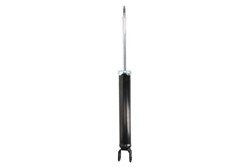
KOREA
Shock absorber A230360OEM
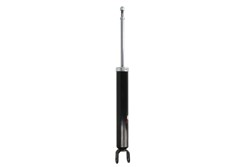
MAGNETI MARELLI
Shock absorber 352049070000

MAGNUM TECHNOLOGY
Shock absorber AG0352MT

MAGNUM TECHNOLOGY
Shock absorber AG0353MT

MONROE
Shock absorber MONG1094
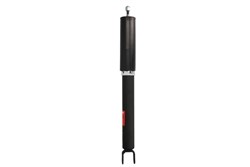
TRW
Shock absorber JGT1246S

SACHS
Shock absorber 317 409

MEYLE
Shock absorber 37-26 623 0025

MEYLE
Shock absorber 37-26 623 0024

SACHS
Shock absorber 318 719

KYB
Shock absorber KYB3340163

KYB
Shock absorber KYB3340162
Hyundai i30: Common Problems, Maintenance, and Fluids Guide
Introduction
The Hyundai i30, known for its practicality, reliability, and value for money, is a compact hatchback that has gained popularity across multiple generations. However, like all cars, the i30 can experience some common issues as it ages. This guide will explore these issues, along with maintenance tips to keep your vehicle running smoothly, including recommended fluids, filters, and service intervals.
Common Problems with the Hyundai i30
1. Engine and Transmission Issues
While the i30 generally has a reliable engine, some owners report occasional issues with the engine misfiring or running rough, especially in earlier models. The cause of this can often be traced to a faulty ignition coil or spark plug. It's recommended to replace these components every 50,000 miles to maintain engine performance.
2. Suspension Problems
Another common issue with the Hyundai i30 is suspension wear. Specifically, the front suspension can become noisy due to worn-out bushings or control arms. This issue tends to become noticeable after 60,000 miles and can affect the ride comfort. Regular inspection of the suspension components is advised, particularly if you notice clunking or excessive vibration when driving.
3. Electrical Issues
Electrical problems, including issues with the power windows, dashboard lights, and the central locking system, have been reported by some i30 owners. These problems are typically related to faulty wiring or a failing alternator. If you experience issues with the electrical system, it's important to have the vehicle inspected by a professional to prevent further damage.
4. Air Conditioning Problems
Air conditioning systems in older Hyundai i30 models can sometimes fail due to refrigerant leaks or compressor issues. If your car's A/C isn't cooling as it should, it may be time to check the refrigerant level or replace the compressor, which typically costs more than a simple refill.
Maintenance Tips for the Hyundai i30
1. Regular Oil Changes
Engine oil is crucial for keeping the i30's engine running smoothly. It's recommended to change the oil every 7,500 miles for the 1.6L engine and every 10,000 miles for the 2.0L models. Always use high-quality oil that meets the manufacturer’s specifications.
2. Brake Pads and Discs
Brake pads should be inspected regularly, particularly for wear. It's generally recommended to replace brake pads every 30,000 to 50,000 miles. If you hear any squeaking or grinding sounds, it's a clear sign that the pads are worn out. The brake discs should also be inspected for warping or scoring during each service.
3. Timing Belt
The timing belt in the Hyundai i30 should be replaced every 60,000 miles. A worn-out timing belt can cause significant engine damage if it fails, so it's crucial to stick to this replacement schedule to avoid costly repairs.
4. Air Filters
Changing the air filter every 15,000 to 30,000 miles helps maintain engine efficiency and fuel economy. A clogged air filter can lead to poor engine performance and higher fuel consumption.
5. Transmission Fluid
For automatic transmission models, Hyundai recommends replacing the transmission fluid every 30,000 miles. Manual transmission models may require fluid changes less frequently, typically every 60,000 miles, depending on driving conditions.
Recommended Fluids and Filters
Engine Oil
The Hyundai i30 typically requires 5W-30 fully synthetic motor oil for its engines. Always check the manufacturer's recommendations for your specific engine model.
Transmission Fluid
Automatic transmission models of the Hyundai i30 require Hyundai’s genuine SP-IV ATF fluid. For manual transmission, a 75W-90 gear oil is typically recommended.
Brake Fluid
The recommended brake fluid for the i30 is DOT 4 fluid, which should be changed every 2 years, or more frequently if you notice any issues with braking performance.
Coolant
Hyundai recommends using a long-life coolant (50/50 mix of coolant and distilled water) for the i30. It's crucial to change the coolant every 2 years or 30,000 miles to prevent engine overheating and to protect the radiator.
Air and Cabin Filters
Replace the engine air filter every 15,000 to 30,000 miles, depending on your driving conditions. Cabin air filters should be changed every 15,000 miles to ensure optimal air quality inside the cabin.
Service Intervals for the Hyundai i30
Regular service intervals are vital to ensure the long life of your Hyundai i30. Below is a general guide to the service intervals:
- Oil change: every 7,500 miles (1.6L engine) or 10,000 miles (2.0L engine).
- Brake fluid change: every 2 years.
- Transmission fluid change: every 30,000 miles (automatic) or 60,000 miles (manual).
- Coolant change: every 30,000 miles or 2 years.
- Timing belt replacement: every 60,000 miles.
- Spark plugs: every 30,000 miles.
Conclusion
The Hyundai i30 is a reliable vehicle, but like any car, it requires regular maintenance to perform at its best. By addressing common issues early and adhering to service schedules for oil, filters, and other consumables, you can ensure that your i30 remains in top condition for years to come. Always refer to your owner’s manual for the most accurate information regarding your specific model and don’t hesitate to consult a professional if you encounter any of the common problems mentioned above.
- Engine Oil HYUNDAI I30
- Car Body HYUNDAI I30
- Engine Parts HYUNDAI I30
- Tyres HYUNDAI I30
- Wiper Blades HYUNDAI I30
- Brake Discs HYUNDAI I30
- Brake Pads HYUNDAI I30
- Oil Filters HYUNDAI I30
- Fuel Filters HYUNDAI I30
- Air Filters HYUNDAI I30
- Suspension Parts HYUNDAI I30
- Stabilizer HYUNDAI I30
- Ignition/Glow System HYUNDAI I30
- Bulbs HYUNDAI I30
- Car Filters HYUNDAI I30
- Clutch HYUNDAI I30
- Batteries HYUNDAI I30
- Tuning HYUNDAI I30
- Engine Radiator HYUNDAI I30
- Exhaust System HYUNDAI I30
- Intake System HYUNDAI I30
- Intercoolers HYUNDAI I30
- Brake Calipers HYUNDAI I30
- Muffler HYUNDAI I30
- Flywheel HYUNDAI I30
- Brakes HYUNDAI I30